


- How To
- Nail Care
Embrace and Love Your Natural Nails
July 26, 2026
You rarely think about your natural nails when they’re healthy.
They simply do their job in opening packages, typing, fastening jewellery, applying makeup, or showing off their favourite polish. But when they become weak, brittle or prone to peeling, even the simplest tasks become frustrating.
For many people, the result of months [or even years] of regular gel polish, acrylics, or dip powder systems, is often cumulative damage that needs time, patience and the right care to grow out. While enhancements can create beautiful manicures, repeated application and removal can leave nails dehydrated, thinner and more susceptible to peeling and breakage.
Recovery is not an emergency that can be solved with a single “strengthening” polish. The good news is that natural nails have an incredible ability to recover when they’re given the right environment to grow.
At Picture Polish, we’ve spent more than 15 years helping hundreds of thousands of nail lovers build healthier relationships with their natural nails. We’ve learned that transitioning back to resilient natural nails is entirely possible, provided you stop treating the symptom and start supporting the structure.
Why Natural Nails Are Worth the Journey
Healthy nails do far more than look beautiful. They’re less likely to split or peel, hold polish for longer, require less maintenance, and feel stronger during everyday activities.
Natural nails become a reliable foundation for any manicure. When your nails are healthy, manicures last better, filing becomes easier, and your hands feel more comfortable day to day.
That’s one reason natural nail care has experienced such a resurgence. Trends like quiet luxury have shifted the focus away from thick artificial enhancements and toward beautifully maintained natural nails, hydrated cuticles, and elegant, understated colour.
Understanding how to grow strong nails starts with recognising that strength, not length, is the real marker of nail health.
If you’ve recently removed gel polish, acrylics or dip powder, your nails may need time before they reach that point. Understanding why is the first step toward rebuilding them.
The Recovery After Using Gel
Unlike your skin, nails don’t breathe or repair themselves once they’ve grown out. Gel polish creates an oxygen-free environment on your nail plate. Under gel, your nails become dehydrated and brittle.
A combination of dehydration, repeated filing, chemical exposure and mechanical stress over months of gel manicures makes your nails weaker. While careful preparation for gel application removes very little material, repeated appointments over many months can gradually thin the nail plate.
Removal adds another layer of stress. Acetone temporarily strips moisture from the nail, and aggressive scraping or peeling can remove layers of keratin before they’re ready to separate naturally. Over time, this cycle leaves nails more flexible, rougher in texture, and increasingly prone to splitting.
Many people notice peeling, softness, splitting, rough texture, or a feeling that the nail plate is thinner than usual. These changes don’t necessarily mean your nails are permanently damaged. In most cases, you’re simply looking at an older section of nail that has experienced repeated stress.
As a new nail grows beneath your cuticle, healthier keratin gradually replaces the compromised nail. That process simply takes time. And yes, nails can and do recover from gel damage once the cycle of stress is broken.
Proper removal makes a real difference, which is why we recommend reading how to remove gel nail polish before your next changeover.
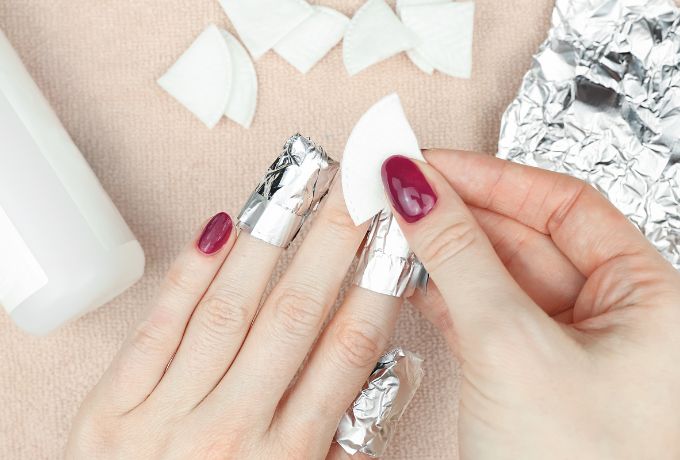
For some people, though, the discomfort that follows a gel manicure is an allergic reaction.
Allergic reactions to gel products have become increasingly recognised within the beauty industry, with symptoms including redness, swelling, itching, blistering or persistent irritation around the nails and fingertips. Understanding what a gel nail polish allergy is matters for anyone who has experienced skin irritation, because unlike temporary dehydration or peeling, allergic reactions should never be ignored and continued exposure can worsen the sensitivity.
Building Your Natural Nail Wellness Routine
Just as you have a skincare routine for your face, you need a nail care routine as well, and our guide is a good place to start.
When it comes to recovering damaged nails, consistency beats intensity every time. There isn’t a miracle polish, supplement or salon treatment that can reverse damage overnight. Healthy nails are built through small, repeatable habits that protect new growth.
Hydration Is Your Most Powerful Tool
If there’s one habit that makes the biggest difference during nail recovery, it’s keeping your nails and cuticles hydrated.
Although the nail plate is made of hardened keratin, it naturally absorbs and loses water throughout the day. Activities like frequent hand washing, household cleaning, sanitiser, acetone and environmental conditions can all strip away moisture and leave your nails dry and more prone to splitting.
Hydrated nails are more flexible. Rather than snapping under pressure, they’re better able to bend slightly without breaking.
Daily cuticle oil is one of the simplest and most effective ways to support this process. Massage it into the cuticles and surrounding skin, and it will help condition the area where new nail growth begins. If your hands are exposed to water frequently, reapplying throughout the day can make an even bigger difference.
Protect Your Nails from Everyday Damage
Most nail damage doesn’t happen in the salon but during everyday life.
Opening cans, scraping labels, using your nails as tools, gardening without gloves, or repeatedly exposing your hands to detergents all place unnecessary stress on the nail plate.
Simple habits can dramatically reduce breakage:
Wear gloves when cleaning or washing dishes.
Use your fingertips to open containers instead.
Keep nails at a comfortable length while they’re recovering.
File small snags before they develop into larger tears.
Never peel polish from the nail surface.
These small adjustments protect new growth while preventing setbacks that can delay recovery.
File Smarter, Not Harder
Traditional metal files and coarse emery boards can leave tiny, microscopic tears along the free edge of the nail.
A high-quality crystal or glass nail file creates a much smoother edge by gently sealing the layers of keratin instead of shredding them. Use light strokes and shape your nails regularly before small chips become larger breaks.
Your Cuticles Also Need Attention
Your cuticle forms a protective seal over your nail. When it becomes damaged through excessive cutting, picking or biting, it increases the risk of irritation and infection.
Instead of trimming them aggressively, use our cuticle exfoliate and then soften them with cuticle oil before gently pushing them back when needed. This maintains their protective function while creating a polished appearance.
Does Diet Really Affect Nail Health?
Nutrition plays a supporting role in healthy nail growth, even though it won’t repair existing damage because your nails are made primarily from keratin.
Eating enough protein, staying hydrated and consuming a balanced diet rich in vitamins and minerals provides your body with the building blocks it needs to produce strong new nail. Protein and biotin are the two nutrients most often linked to nail strength, and while supplements aren’t a substitute for a balanced diet, they can be a useful addition if your intake is otherwise low. Healthy nails are built from both the inside and the outside.
What Healthy Nails Actually Look Like
Healthy nails are not always perfectly pink, glassy, and uniform. Real nails have texture, subtle colour variation, and natural growth patterns. Seasonal changes, age and hormones all influence how nails grow.
Instead of chasing perfection, focus on the signs that truly matter.
Healthy nails:
Feel firm but flexible.
Have a smooth surface with only minor natural texture.
Resist peeling and splitting.
Grow at a steady, consistent rate.
Have hydrated, intact cuticles.
Break less frequently during everyday activities.
If you’re wondering how to tell whether your nails are damaged rather than just naturally textured, the difference usually comes down to consistency. Occasional dryness is normal, but ongoing peeling, splitting or thinning across most nails is a sign your routine needs to change.
Strength is a better measure of nail health than length.
A short natural nail that resists peeling is healthier than a long nail that’s constantly breaking.
The Picture Polish Approach to Natural Nail Care
At Picture Polish, we’ve always believed beautiful colour should enhance healthy nails. For more than fifteen years, we’ve developed products that work with the natural nail rather than against it, because lasting beauty begins with healthy foundations.
Since 2009, we’ve worked alongside a global community of nearly half a million nail enthusiasts who value creativity, quality and conscious beauty. Their experiences have shaped not only our products but our philosophy: colour should enhance your natural nails, never compromise them.
That philosophy influences everything we do, from carefully considered formulations to our commitment to vegan, cruelty-free and Halal-certified products.
We don’t believe you should have to choose between vibrant colour and healthy nails. When polish is thoughtfully formulated, applied carefully and removed gently, it can become part of a sustainable nail care routine rather than something you need to recover from.
Our goal has always been to help our nail enthusiasts enjoy healthier and stronger natural nails for years to come.
Your Transition Plan to Natural Nails
Healthy nails aren’t built in a weekend. A full nail typically takes four to six months to grow out completely, which is exactly why recovery is measured in months, not days.
One of the biggest reasons people give up on recovery is that they expect visible improvement immediately. The nail you see today began forming several months ago beneath the cuticle. That means the habits you start now won’t transform your nails overnight, but it will surely determine the condition of the nails you’ll have in the time ahead.
Think of recovery as a process of replacing damaged nail with healthy new growth. Here’s what you can realistically expect.
Weeks 1–2: Detox
In the first two weeks, your nails may still feel soft, peel easily or catch on clothing. Focus on creating an environment where healthy nails can grow uninterrupted.
During this stage:
Keep nails short to reduce leverage and breakage.
Apply cuticle oil morning and night.
Moisturise after every hand wash.
Wear gloves for cleaning and prolonged water exposure.
Resist the urge to peel polish or pick at rough edges.
Weeks 3–6: New Growth Appears
The damaged portion of the nail is now halfway grown out. Many people begin noticing a subtle difference near the cuticle. This visible line between old and new growth becomes encouraging, and its proof that your routine is working.
You may still experience peeling at the tips because the older, weakened nail hasn’t yet been trimmed away. Don’t mistake this for failure. The healthiest part of your nail is still making its way forward.
Weeks 7–12: Building Strength
By the third month, around half of the damaged nail has usually grown out.
Many people notice fewer broken nails, less peeling, better polish wear, stronger free edges and healthier-looking cuticles. Continue filing gently and don’t stop using cuticle oil simply because your nails look healthier. Recovery continues until the damaged nail has completely grown out.
Months 4–6: A Fresh Start
For most people, four to six months marks the point where most of the damaged nail has been replaced. Your nails should feel noticeably stronger, smoother and more resilient than when you began.
This is also when your routine shifts from recovery to maintenance. Rather than trying to fix damage, the habits you’ve built over the past few months should become the foundation of long-term nail health.
The Right Tools Matter
Technique matters, but so do the tools you use. Poor-quality tools can create microscopic damage every time you use them, while well-designed tools help preserve the integrity of the nail plate.
Upgrade Your Nail File
One of the easiest improvements you can make is replacing coarse emery boards or metal files with a high-quality crystal or glass nail file benefits. Unlike rough files that shred layers of keratin, glass files create a smoother edge that is less likely to peel or split.
Regular, gentle filing also prevents tiny chips from developing into major breaks.
Choose Gentle Removal Methods
Most long-term nail damage doesn’t happen while wearing polish, but during removal.
Avoid peeling polish away from the nail, scraping aggressively or over-buffing the surface before every manicure.
Instead, allow remover time to dissolve the polish properly. Use gentle pressure and avoid unnecessary filing. Then, rehydrate your nails immediately afterwards with cuticle oil.
Good removal is just as important as good application.
Keep Your Cuticles Healthy
Healthy cuticles protect the area where every new nail begins. They also create the ideal environment for healthy nail growth.
Avoid cutting living tissue unless necessary. Instead, soften the cuticles with oil before gently pushing them back using a quality cuticle pusher. Picture Polish’s cuticle oil and cuticle care range are formulated for exactly this daily step — worth building into your routine alongside your file.
Common Questions Answered
Why are my nails so brittle?
Brittleness is usually a sign of moisture loss, not a lack of strength. Repeated exposure to water, acetone, sanitiser and household chemicals strips natural oils from the nail plate faster than your body can replace them. Consistent hydration from cuticle oil, gloves for wet work, and avoiding harsh removal is the most effective fix.
Can damaged nails fully recover?
Yes. Most damage affects the existing nail plate rather than the area that produces new nail. As a healthy nail grows, the damaged section can gradually be trimmed away.
Is it okay to wear polish while recovering?
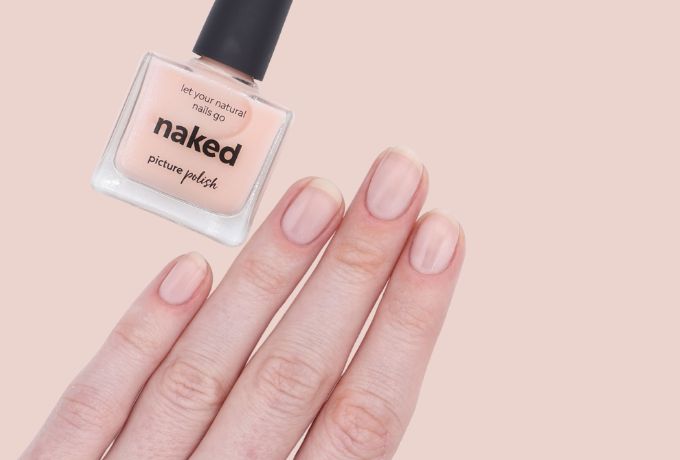
The better question is whether your current routine supports nail health, and if it does not, whether you can adjust the products or method. Many people find wearing polish during recovery helps them maintain their routine because they’re more motivated to oil and protect their nails. For a clean, natural look try our Naked – Nail Care Base Coat.
How often should I apply cuticle oil?
Twice a day is a great starting point. If your hands are exposed to water frequently or you work in a dry environment, more frequent application may be beneficial.
What vitamins make nails stronger?
Biotin, protein and iron are the nutrients most associated with nail strength. They support keratin production, but they work over months, alongside — not instead of — a good topical routine. Also, marine collagen powder is another good option.
Do nail strengtheners work?
Some strengthening treatments can temporarily reinforce weak nails, but they don’t repair existing damage. Healthy nail growth still depends on time, protection and consistent care.
Will my nails ever look the same again?
For most people, yes. Once damaged nail has completely grown out, healthy new growth often looks and feels dramatically different.
Making Natural Nails Your New Normal
The strongest natural nails are built through consistent habits, thoughtful product choices and a little patience.
If you’re recovering from years of gel manicures, acrylics or dip powder, it’s important to remember that the routine you begin today will shape the nails you have four or five months from now.
That’s why sustainable nail care isn’t about chasing miracle products or dramatic transformations. It’s about creating a routine that supports healthy growth every single day.
Progress won’t always be obvious from one week to the next.
After all, healthy nails aren’t perfectly uniform, and recovery is rarely a straight line. What matters is consistency. Every time you choose to nourish your nails instead of rushing the process, you’re investing in long-term strength rather than another temporary fix.
And if a nail does chip or tear along the way, it’s a normal part of the process. Our guide walks you through repairing it without losing your progress.
Because healthy natural nails are the best canvas any polish can have.